
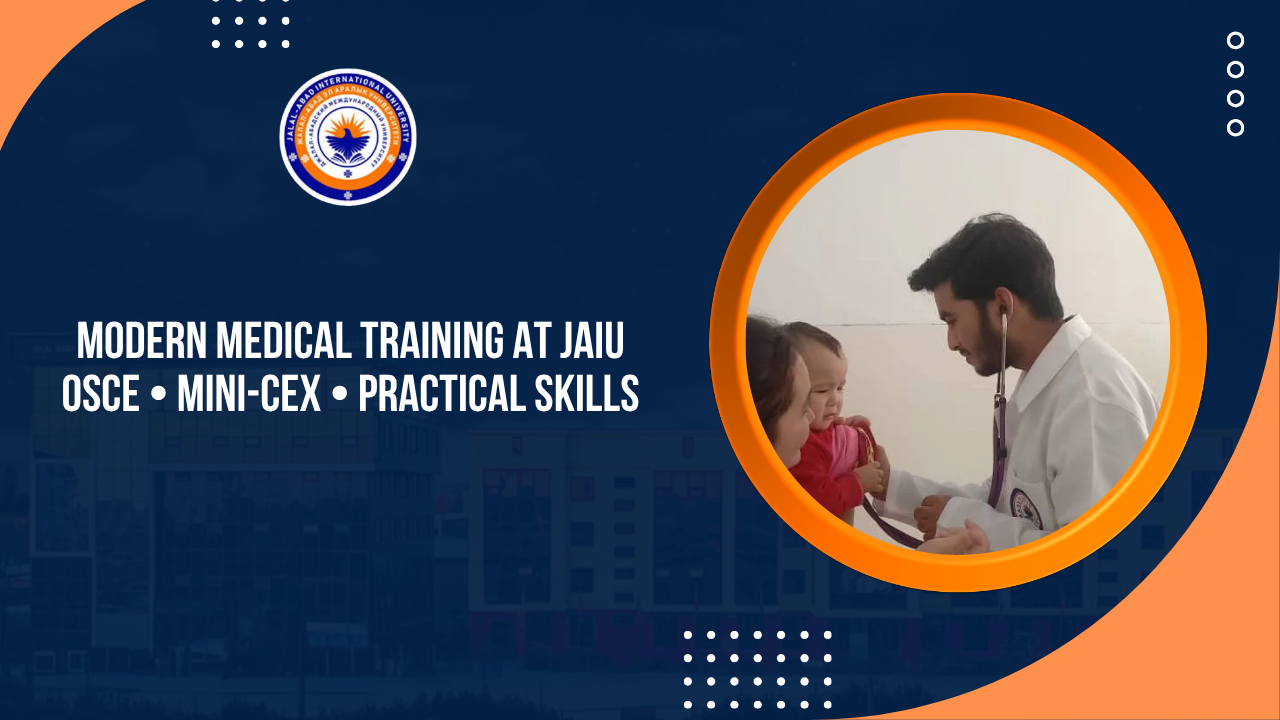
Date: Oct 16, 2025 Day: Thursday
Medical education is evolving rapidly, and today’s healthcare system demands not only theoretical knowledge but also strong practical skills and clinical competence. To meet these global standards, Jalal-Abad International University continues to implement professional competency-based assessments for medical students.
This modern approach ensures that students are not just learning medicine but are also becoming confident, skilled, and capable future doctors. Through a combination of practical training, real patient interaction, and advanced evaluation methods, the university is setting a strong foundation for high-quality medical education.
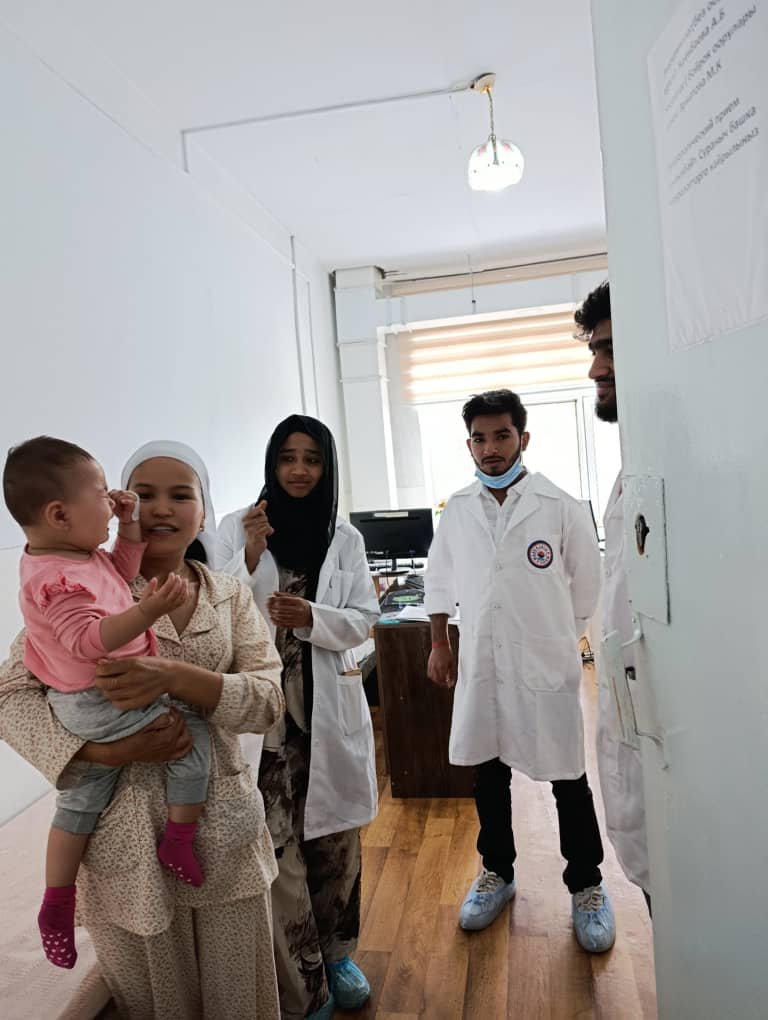
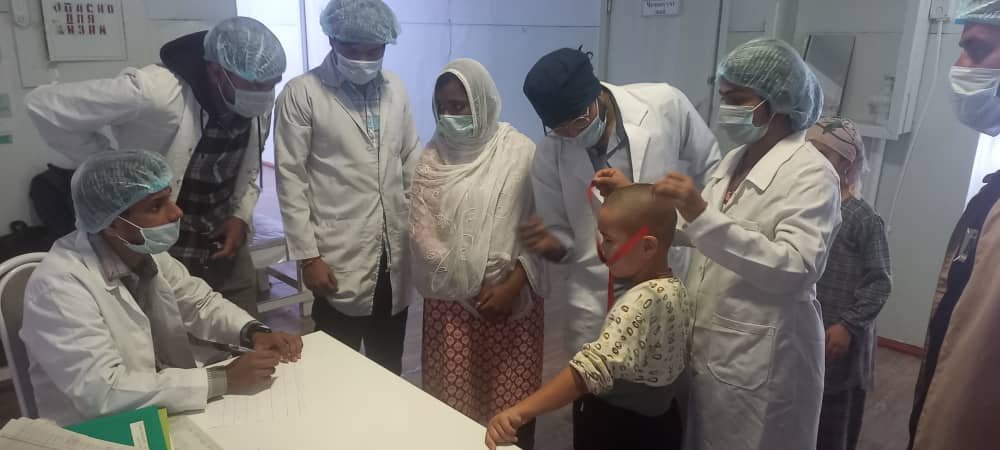
Traditional medical education often focused heavily on theory. However, modern medical training emphasizes competency-based learning, where students are evaluated based on their ability to apply knowledge in real-life situations.
At Jalal-Abad International University, this shift ensures that students develop:
This approach prepares students to face real-world medical challenges with confidence.
One of the most important aspects of medical training is hands-on experience.
Students at Jalal-Abad International University actively participate in:
This exposure helps students bridge the gap between theoretical knowledge and practical application, making them better prepared for their future roles.
Medical science cannot be mastered through books alone. It requires continuous practice and real-time application.
By involving students in clinical environments and practical scenarios, the university ensures that they:
This method of “learning by doing” is essential for developing competent doctors.
To ensure students meet global standards, Jalal-Abad International University uses modern and internationally recognized assessment methods.
OSCE is a practical exam where students rotate through stations and perform specific clinical tasks.
Mini-CEX focuses on real-time evaluation during clinical practice.
Students are given real-life medical cases and are required to:
This improves their critical thinking and diagnostic skills.
Students are regularly evaluated on:
This ensures they are fully prepared for real medical practice.
Assessment is not just about testing—it is about improving.
At Jalal-Abad International University, students receive:
This continuous evaluation system helps students grow consistently.
A good doctor is not only knowledgeable but also an effective communicator.
Through interactive discussions and patient interactions, students develop:
These skills are essential for building trust and delivering quality healthcare.
The university focuses on creating an environment that closely resembles real hospital settings.
Students experience:
This prepares them for the realities of the healthcare system.
The use of modern assessment techniques like OSCE and Mini-CEX ensures that students meet international medical education standards.
This benefits students by:
Confidence is a key factor in medical practice.
Through continuous practice and evaluation, students:
This confidence is crucial for their success as doctors.
At Jalal-Abad International University, the focus is on providing high-quality medical training.
The university ensures:
This commitment helps students achieve excellence in their medical careers.
Modern medical education is about more than just passing exams—it is about becoming a skilled and responsible healthcare professional.
Through competency-based assessments, practical training, and continuous evaluation, Jalal-Abad International University is shaping the next generation of doctors.
The integration of advanced assessment methods such as OSCE, Mini-CEX, and practical skill evaluations ensures that students are fully prepared for real-world medical challenges.
By focusing on practical learning, real patient interaction, and continuous improvement, the university creates an environment where students can truly master their profession.
At Jalal-Abad International University, medical education is not just about learning—it is about becoming a confident, capable, and compassionate doctor.
All Blog Posts

 Jalal-Abad International University Admissions Closing Soon: Start Your Medical Journey in Kyrgyzstan
Advisory for Indian Students Seeking Medical Education in Kyrgyzstan: What the 2026 Accreditation Clarification Means
Jalal-Abad State University Gets Key Clarification for Indian MBBS Aspirants in Kyrgyzstan
How JAIU Students Can Make Their Clinical Training More Meaningful
India–Kyrgyzstan Relations 2026: A New Chapter for Students at JAIU
Jalal-Abad International University Admissions Closing Soon: Start Your Medical Journey in Kyrgyzstan
Advisory for Indian Students Seeking Medical Education in Kyrgyzstan: What the 2026 Accreditation Clarification Means
Jalal-Abad State University Gets Key Clarification for Indian MBBS Aspirants in Kyrgyzstan
How JAIU Students Can Make Their Clinical Training More Meaningful
India–Kyrgyzstan Relations 2026: A New Chapter for Students at JAIU


